Matilda Omonaiye/
The International Court of Justice (ICJ) has ruled that Myanmar committed genocide against its Rohingya Muslim minority, holding the country responsible for mass killings, rape and other atrocities during a brutal military crackdown in 2017.
In what the United Nations has described as a landmark victory for international justice, the court found that Myanmar violated the Genocide Convention through systematic attacks on the Rohingya population in northern Rakhine State.
The judgment, delivered in The Gambia v. Myanmar, marks the first time the ICJ has found a state responsible for committing genocide, according to a statement issued by the UN Secretary-General.
The court established that Myanmar’s security forces killed more than 10,000 people, subjected members of the Rohingya community to rape and other forms of serious bodily and psychological harm, and imposed measures intended to prevent births within the population.
It concluded that the atrocities, committed during military operations officially described as clearance operations, were carried out with the intent to destroy a substantial part of the Rohingya community.
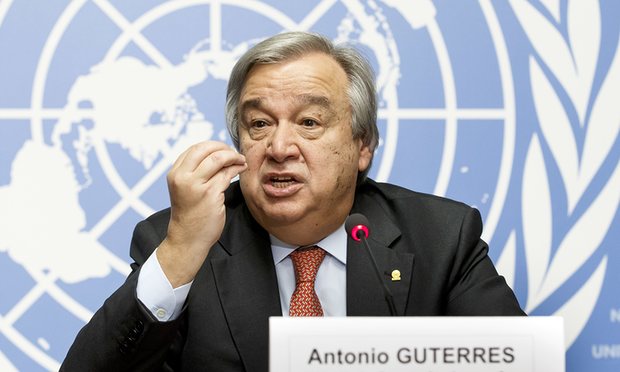
Welcoming the ruling, the UN Secretary-General described it as a historic recognition of the suffering of Rohingya victims and a powerful affirmation that perpetrators of genocide must be held accountable.
“I welcome today’s judgment of the International Court of Justice in The Gambia v. Myanmar case, which is a powerful recognition of the Rohingya victims of genocide,” the Secretary-General said.
“It is a demonstration of international justice and a reaffirmation that impunity for such horrific acts must not stand.”
Beyond the killings and widespread abuses, the court found that Myanmar failed to fulfil its international obligations to prevent genocide, punish perpetrators and enact appropriate domestic legislation to enforce the Genocide Convention.
The judgment also exposed what the court described as extensive efforts by Myanmar to destroy evidence and obstruct investigations into the atrocities.
According to the UN statement, Myanmar deliberately created obstacles to effective investigation and prosecution, including denying United Nations bodies access to areas relevant to the alleged crimes.
The Secretary-General emphasised that the judgment is final, legally binding and not subject to appeal.
Consequently, Myanmar is required to comply with the court’s directives, including taking concrete measures to prevent further violations, investigate the atrocities, prosecute those responsible and ensure that perpetrators are punished.
The country must also enact appropriate legislation, provide guarantees that such crimes will not recur and make adequate, effective and prompt reparations to victims.
A crucial component of the required remedies is the safe, voluntary and dignified return of displaced Rohingya to their places of residence, alongside measures to reunite families torn apart by the violence.
The Secretary-General stressed that justice for the Rohingya remains indispensable to lasting peace and reconciliation in Myanmar.
“I reiterate that breaking the cycle of impunity in Myanmar and ensuring accountability are essential to national reconciliation and durable peace,” the statement said.
The UN chief further disclosed that the world body would carefully study the implications of the judgment, insisting that all countries must respect international law and their obligations under the Genocide Convention.
The Secretary-General also appealed for stronger international cooperation to address the protracted Rohingya crisis and support efforts towards a comprehensive political settlement.
In particular, the international community was urged to support the UN Special Envoy on Myanmar, Julie Bishop, in facilitating an inclusive political solution that addresses the underlying causes of the conflict.
The case, instituted by The Gambia, placed Myanmar’s treatment of the Rohingya before the UN’s principal judicial organ, raising fundamental questions about state responsibility for genocide and the international community’s obligation to prevent mass atrocities.
The ruling represents a significant legal milestone for the Rohingya, whose persecution has remained one of the world’s most troubling humanitarian and human rights crises.
While the judgment establishes Myanmar’s responsibility under international law, its practical significance will depend heavily on compliance, effective accountability measures and sustained international pressure to ensure justice and meaningful reparations for survivors.