



Want to bookmark your favourite articles and stories to read or reference later? Start your Independent Membership today.
Already a member?
Log in
There is an art to apologising without writing a blank cheque. Andy Burnham – a more charming man, a better politician and perhaps a more skilled diplomat than Keir Starmer – seems to understand it rather better than his predecessor, particularly when it comes to Britain’s complicated colonial past. And those of us remaining devotees of the lost Labour leader may as well face up to the fact.
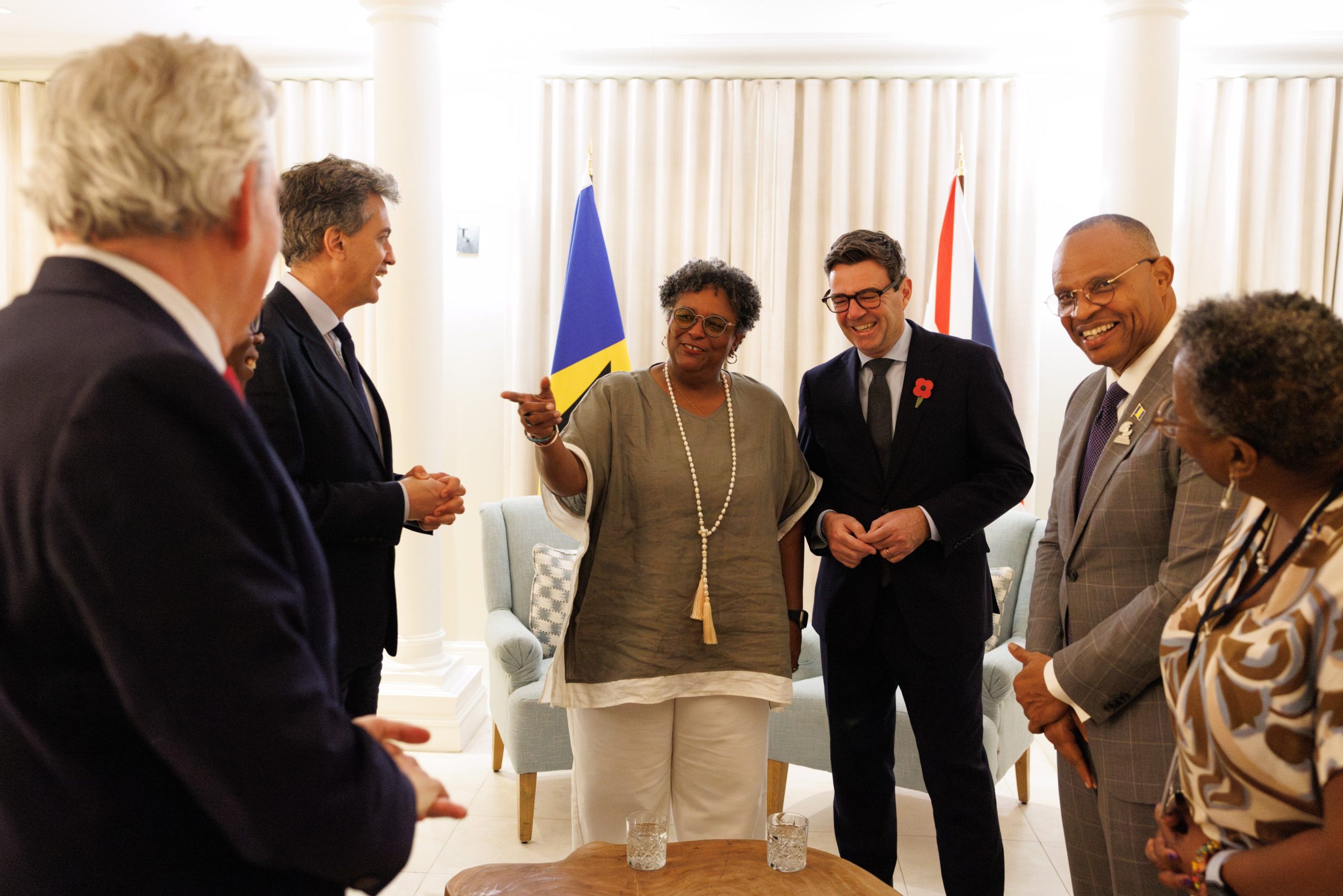
The recent Commonwealth Heads of Government Meeting in Antigua and Barbuda was a case in point. Whereas the lawyerly Starmer resisted calls for an apology for slavery, wary of the potential liabilities that might ensue from such an act of contrition, and set his face against financial “reparations” in any case, Burnham is more feline.
He is “open” to discussing an apology for Britain’s lucrative role in the vile trade in innocent people, but has ruled out direct financial reparations. Instead, he has found a way to provide Caribbean nations lobbying for compensation with extra funding to deal with the effects of climate change, albeit not much in the great scheme of things: £40m over three years for critical infrastructure investment, including green energy schemes. In addition, Britain will help develop a debt “reset” to ease the burden on the poorest Commonwealth countries struggling with expensive foreign loans.
This is all very neat. Reparations for slavery, whatever the moral force of the case for them, are so politically and legally difficult to agree to that it is much better to try more ingenious ways to address Britain’s informal debts to the places it once colonised, settled and plundered, and the descendants of the peoples it mistreated.
The British Empire, as Kemi Badenoch insists, may not have been all bad – though cricket and Christianity are mixed blessings – and the Royal Navy and colonial officers helped end slavery. But plainly it was not always selfless and benign either. Britain’s role in abolishing the slave trade does not erase the centuries in which it helped facilitate and profit from it. Both things can be true.
But the case for what might be called “climate reparations” is just as strong, and much more easily agreed to, because it is less emotive and politically or legally loaded.
It just so happens that Britain was where the first Industrial Revolution began, based on its reserves of fossil fuels – plentiful forests and coal – and the consequences are now being felt particularly acutely by Caribbean countries. These small island nations have contributed relatively little to the historical emissions that have driven climate change, yet face some of its most serious consequences. Think of rising sea levels, tropical storms of unprecedented intensity destroying homes and businesses, and weaker economies leading to poverty and migration.

This is not simply an argument about Britain’s historical guilt. It is about the practical realities facing countries that are increasingly vulnerable to a crisis they did relatively little to create. At the Cop31 climate conference in Turkey, Caricom, the regional economic grouping dominated by Commonwealth members and British overseas territories such as Montserrat, called for more accessible climate finance and support for “Small Island Developing States”, a distinct category of countries vulnerable to many of the ills that stalk the world today: climate change, energy and food crises, and people fleeing poverty.
Caribbean leaders have made clear that an apology alone will not be enough. They want meaningful action on education, health, debt, economic development and climate resilience. Their argument is that historical injustice cannot be separated entirely from the inequalities and vulnerabilities that persist today. Burnham may disagree with them on direct financial compensation, but he has at least found a way to keep the conversation going while offering practical assistance.
That is the cleverness of his approach. He is prepared to acknowledge Britain’s historical responsibilities without accepting an open-ended financial obligation. He is also recognising that diplomacy is not simply about defending a negotiating position, but about finding enough common ground to make progress.
I’ve seen Burnham come in for a bit of stick for flying around the world lately. It’s true that some days he’s been in the air more than he’s been on terra firma, but he was right to put in a personal appearance at each of the high-level meetings he attended.
It would be unthinkable for a British premier not to be at the CHOGM with the King. It was also a matter of pride that Burnham was the only G7 leader expected to address the leaders’ segment at Cop31 – an important reminder of Britain’s leadership on Net Zero under successive prime ministers of both parties. His speech in Turkey reaffirmed the UK’s commitment to its 2050 Net Zero target and to working with international partners on clean energy. Burnham also attended the European Political Community conference in Dublin, not least to help galvanise support for Ukraine across the continent.
Like “never here Keir”, “air miles Andy” is derided for his efforts in some quarters in a way Tory premiers never were, but no matter. Britain still has some role to play in the world, and as an open economy that relies on peace and trade for its livelihood, we cannot retreat from the challenges that face the world.
There is also something important about the symbolism of a British prime minister being prepared to confront the less comfortable aspects of our history. It is indeed a matter of honour that a proud British premier should try to resolve the more problematic aspects of our past. As the late Queen put it during her historic visit to Ireland in 2011: “With the benefit of historical hindsight, we can all see things which we would wish had been done differently, or not at all.”
The Queen knew that Britain could acknowledge the mistakes of its past without being defined by them. Burnham seems to understand that, too. It is a rather useful quality in a British prime minister.