

The Church of England’s slavery reparations plan has been described as promoting a form of “segregation” in Africa.
The initiative, titled “Project Spire” plans to allot £100m to atone for the Church’s financial ties to the slave trade.
A string of recommendations submitted by the project’s oversight committee in 2024 suggested that the money could be invested in black-owned businesses “ideally in perpetuity”, and give black people access to “real estate” to address “historical wounds”.
Advertisement
Advertisement
But the plans have been criticised by clergy in Malawi, which suffered from the Arab-led slave trade and was liberated by the expansion of Christianity.
Speaking to The Telegraph in Lilongwe, the Rt Rev Fanuel Magangani, an Anglican bishop, warned: “We don’t have another word for this but segregation.”
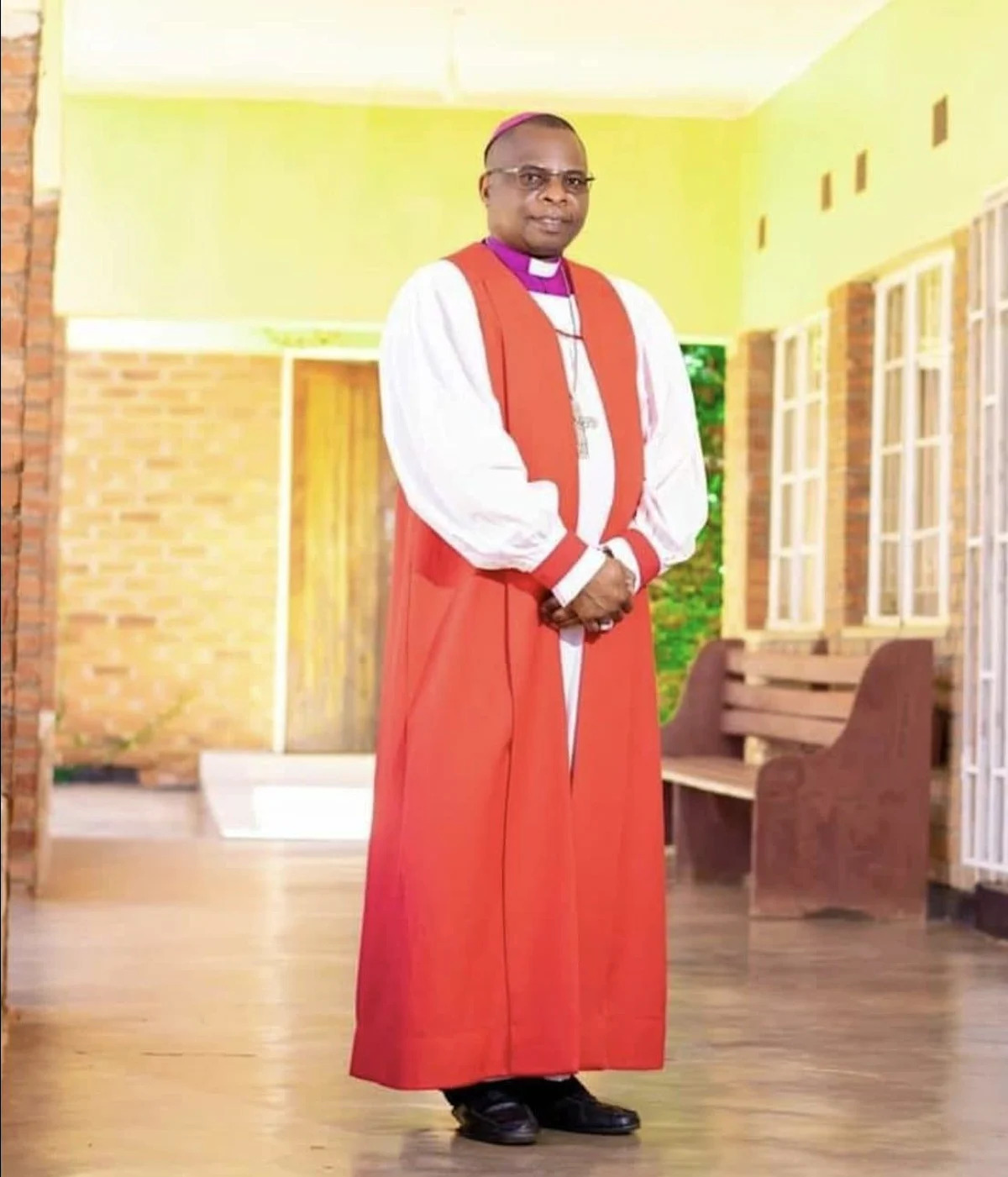
Rt Rev Fanuel Magangani, the Bishop of Northern Malawi, has criticised Project Spire – Facebook
Bishop Magangani said the plan could create tiers between members of the African diaspora whose ancestors were enslaved by Europeans, and those who suffered from slavery for which they will receive no compensation.
He claimed that the Church had been swayed by the “politics of the day” into creating the conditions for “racial division”.
Advertisement
Advertisement
“If the Church’s promoting segregation, what is it trying to do?” he demanded. “It is trying to bring division into the body of Christ.”
Malawi was ravaged by Arab-Swahili slave traders who transported Africans to the Muslim world until it became a British protectorate in 1891.
Bishop Magangani said that, in Malawi, “we take the British not as the predators, but as the protectors“.
In place of a slavery reparations plan, Bishop Magangani, who leads the diocese of Northern Malawi, suggested a fund – open to applicants of all backgrounds – specifically to help the Church grow around the world.
In a set of “hopes” for the future, Project Spire includes the aim to “address whiteness” and tackle “white privilege“.
Advertisement
Advertisement
The 2024 recommendations suggest that the compensation could reach £1bn, although the project is still under consultation.
A consultation for the reparations plan was conducted in Jamaica, Barbados, Ghana and England, and there are plans to promote access to funding in the Caribbean, UK and West Africa.
The Church began researching its ties to slavery in 2019, specifically financial endowments known as “Queen Anne’s Bounty“.
The monarch established this fund in 1704 to support clergymen buying land from which they could generate income.
Concerns were raised that money from the fund, now worth around £9.2bn, was invested in annuities linked to the South Sea Company, which transported thousands of slaves from Africa to South America.
Advertisement

Advertisement
Some historians have questioned Church concerns, arguing that these annuities were government debt instruments, not direct investments in slave-trading activities.
The idea that Britain should offer collective atonement through reparations has also been repudiated by Justin Webb, a former Archbishop of Canterbury, who oversaw the launch of Project Spire amid a broader movement of historical reckoning following Black Lives Matter protests in 2020.
The Church of England has been approached for comment.