

According to the “Reinvest 2 Repair” report, there was a strong understanding from interviewees that financial compensation was just a part of what Black Chicagoans felt were owed to them. Other reparation investments should include “policies that promote generational wealth, such as debt relief, business funding, and property ownership support.”
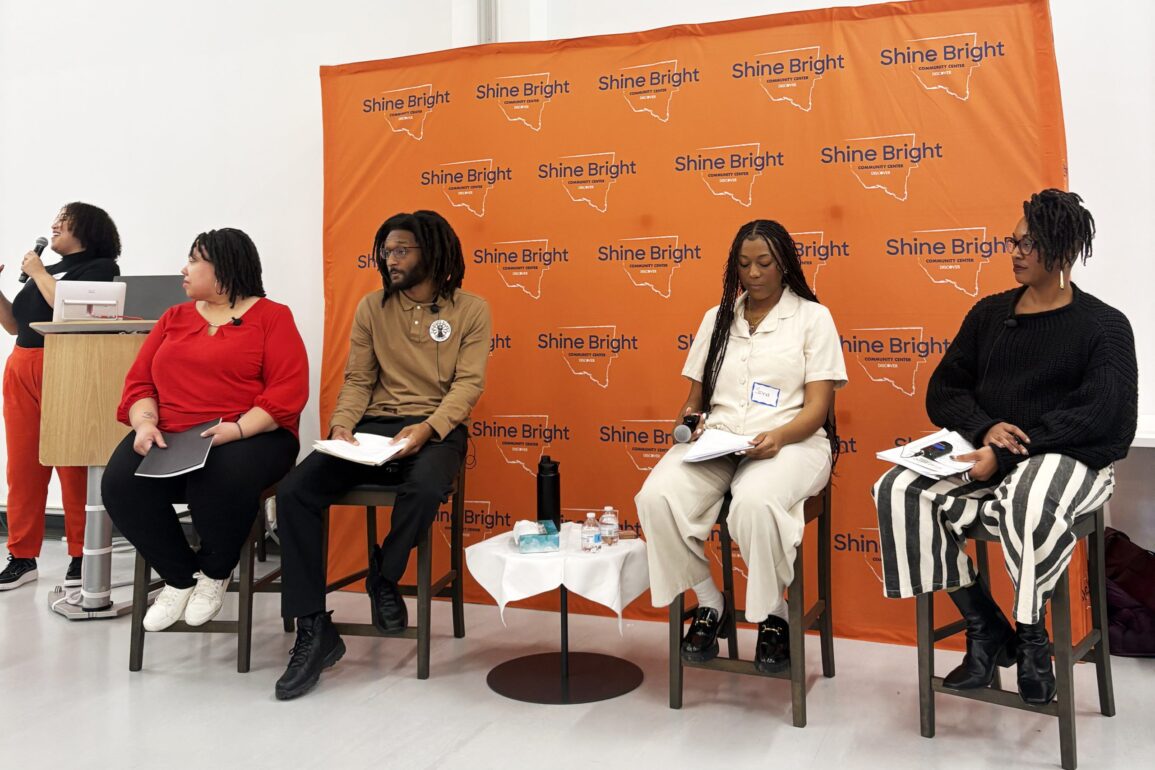
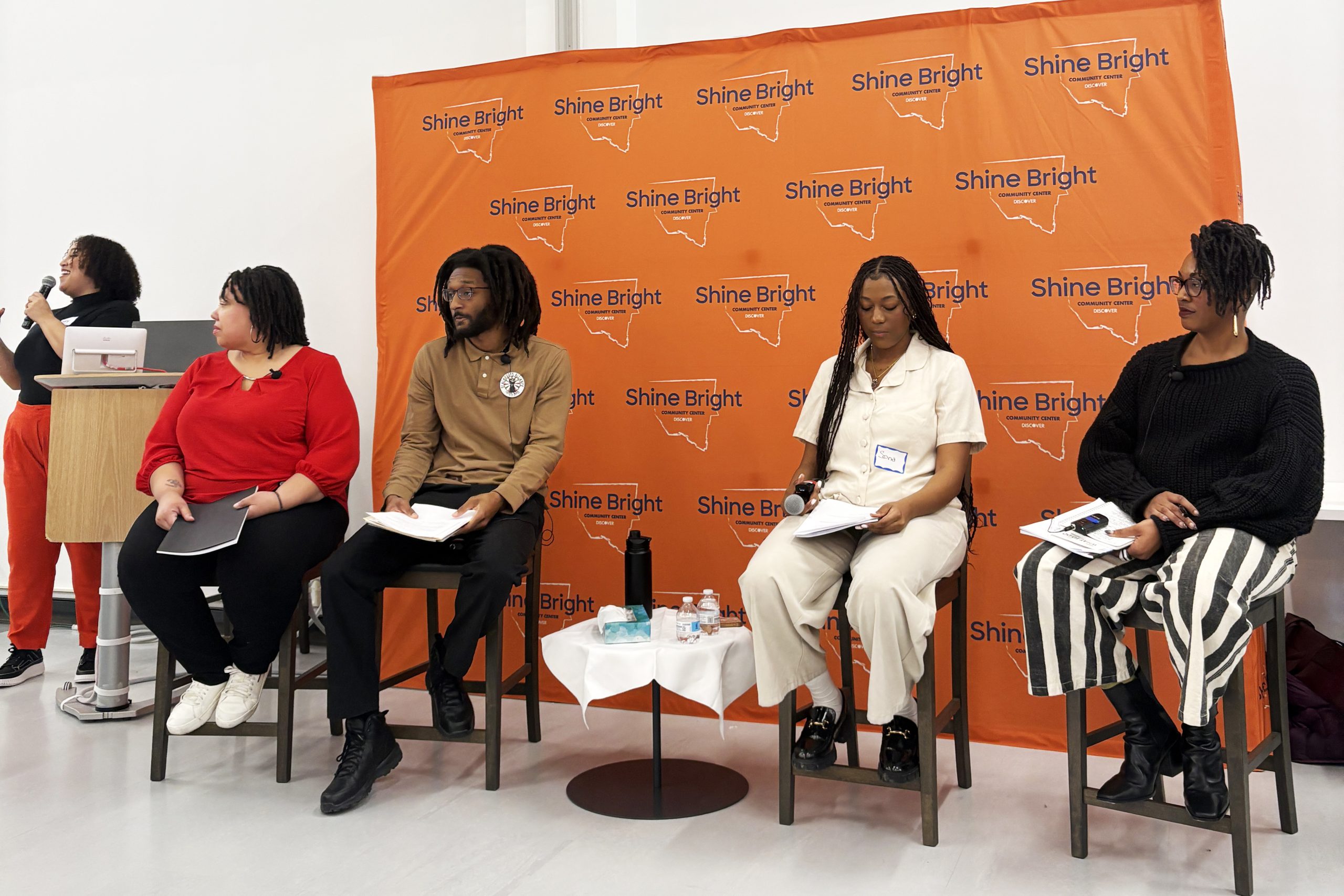
During the community event, Asani Roundtree, a community organizer with Blackroots, said one thing that stuck out to him was the people’s fatigue for symbolism when it comes to repairing Black harm.
“Many folks are tired of symbolism and empty promises and Black representation that’s not leading to any material change,” Roundtree said. “Folks were like, ‘We don’t want an apology. We want compensation. We want free housing, free health care, material things that will have a tangible impact on our lives today,’ because the situation we’re in is very dire.”
A unique aspect of the project was the implementation of policy design circle workshops, which added a real component for what reparations would look like. For the Black Chicago reparations workshops, a faux app was designed to add a simulated aspect to what receiving payments could look like.
“We designed an app, which is the app that a person who receives reparations would manage their payments on and they will get messages from [a local agency that administers] and communicate with them through that platform,” said Lauren Williams, director of learning and experience at Liberation in a Generation.
Hondo T’Chikwa, a resident of West Englewood who participated in the project, said he wants the report to be used to ignite conversations around reparations and lead to communal collaboration.
“It is clear to me that our people do understand that we need reparations, but people don’t want to do no work,and that’s what the problem is,” he said. “So I would just say in conclusion, that if we move as one first, we can get shit done.”
The panel stressed the importance of leveraging the report for mass outreach and education to galvanize community support for reparative justice.
“As the reparations movement continues, we hope the outcomes of this report will inform the work of the Restoration and Reparations Subcommittee of the Chicago City Council, the Chicago and Illinois Legislative Black Caucus, and the Chicago Office of Equity and Racial Justice as they plan out their response to the nationwide demand for reparations,” according to the report.
The Blackroots Alliance is currently working to have the report on their site. You can read the full report below.